Introduction
In the busy city landscape of Melbourne, where properties are often densely packed, the importance of border fences and neighbour arrangements can not be overstated. They serve not just as physical barriers however likewise as crucial elements that help preserve harmony within neighborhoods. As homeowner, understanding the subtleties surrounding these elements can guarantee a serene coexistence with neighbours while protecting your investment.
Why Are Border Fences Essential?
Boundary fences are more than simply wood or metal structures; they represent a clear delineation of property lines, providing both privacy and security. In Melbourne, where land is at a premium, having a designated area ends up being necessary for numerous reasons.
- Privacy: A well-constructed fence acts as a guard from spying eyes, permitting house owners to enjoy their space without feeling exposed. Security: Fences deter prospective intruders, making your home safer for you and your family. Aesthetic Appeal: A magnificently designed fence can enhance the overall look of your property and increase its resale value.
Understanding Neighbour Agreements
Neighbour arrangements are files that detail the expectations and responsibilities of each celebration concerning shared borders, including fencing. These arrangements can prevent misunderstandings that may cause disputes.
What Ought to Be Included in Neighbour Agreements?
A well-drafted neighbour arrangement need to include numerous crucial parts:
Boundary Specifications: Plainly define the property lines to avoid any confusion.
Fencing Type: Specify what type of fence will be erected-- wood, metal, etc-- and who will bear the costs.
Maintenance Responsibilities: Develop who is accountable for keeping the fence once it's built.
Dispute Resolution Mechanism: Include a stipulation that details how disagreements will be dealt with if they arise.
Legal Framework Surrounding Fencing in Melbourne
When it concerns fencing in Melbourne, it's imperative to comprehend the legal structure that governs limit disagreements and neighbour contracts. Familiarity with local regulations can save homeowners from possible legal problems down the line.
Local Council Regulations
Each town may have various rules concerning fencing height and materials used. Checking with your local council is a good idea before carrying out any fencing job.
- Height Restrictions: The majority of councils impose height limitations on fences surrounding to public areas. Material Restrictions: Some materials might be deemed unsuitable based upon aesthetic standards within certain neighbourhoods.
Common Kinds of Fencing Materials in Melbourne
When planning your fencing job, you'll experience numerous material choices. Each has its advantages and disadvantages:
- Wooden Fences: A popular choice due to their natural appearance however require regular maintenance. Metal Fences: Known for sturdiness however can in some cases do not have visual appeal unless designed thoughtfully. Vinyl Fences: Low-maintenance and available in multiple designs however might come at a greater initial cost.
How to Pick the Right Fence for Your Property
Selecting the ideal type of fence involves more than simply looks; usefulness should likewise play a significant function in your decision-making process.
Considerations When Choosing Your Fence
Purpose: Determine whether you require a fence mostly for security, personal privacy, or decorative purposes.
Budget: Assess how much you are willing to spend on both installation and continuous maintenance.
Local Climate: Select materials that hold up against Melbourne's weather conditions effectively.
The Role of Interaction in Neighbour Agreements
Open communication is essential when participating in neighbour arrangements regarding borders and fencing jobs. Clear dialogue assists set reasonable expectations and promotes trust between parties involved.
Tips for Effective Communication
- Be Transparent: Share your intents honestly with your neighbour. Listen Actively: Make certain you comprehend their point of view before completing any agreement.
Benefits of Formalising Boundary Agreements
Formalising boundary arrangements through composed contracts supplies defense for both parties involved and works as legal https://charliefence-contractorfjtw120.yousher.com/choosing-the-right-specialist-for-your-fencing-requirements-in-melbourne documents in case disputes occur later on on.
Advantages Include:
Clarity: All celebrations understand precisely what has actually been agreed upon.
Legal Protection: Provides option if one party fails to maintain their end of the deal.
Prevention of Future Disputes: Clear guidelines minimize uncertainty which can lead to clash down the line.
Dispute Resolution Strategies
Even with well-drafted agreements, disagreements might happen due to misconceptions or unforeseen circumstances. Having strategies in location for resolving these disputes is crucial.
Methods for Disagreement Resolution
Mediation Services: Engage neutral third-party arbitrators who can facilitate discussions in between contrasting parties.
Legal Consultation: Talk to legal experts acquainted with residential or commercial property laws in Melbourne when needed.
Open Discussion Sessions: Routinely check-in with neighbours regarding shared concerns or issues connected to boundaries or fences.
The Importance of Boundary Surveys
Before putting up any type of fence or entering into an agreement about borders, performing a limit study guarantees accurate property line identification-- an important action frequently neglected by homeowners.
What Is Associated with Boundary Surveys?
An accredited property surveyor will determine land boundaries utilizing specialized equipment:
- They recognize exact home lines based on historical records. Professional studies offer documentation that solidifies ownership claims over contested areas.
Frequently Asked Questions (Frequently asked questions)
What are my rights concerning limit fences?
Homeowners have rights concerning limit fences; however, these might vary based upon regional laws governing fencing policies within specific towns such as Melbourne's councils.
Can I build a fence without consulting my neighbour?
While it's technically possible to develop a fence individually if it lies entirely within your home line-- speaking with neighbours cultivates goodwill.
What happens if my neighbour refuses to contribute towards a shared fence?
If shared arrangement can not be reached agreeably; checking out mediation services or legal consultation might be necessary.
How high can I legally build my fence?
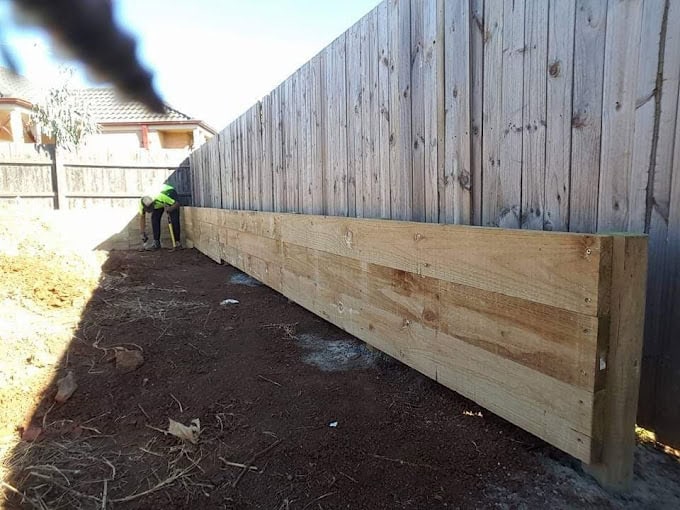
Height limitations vary amongst towns; always inspect regional council guidelines before construction.
Is there an ideal product for border fences?
The best material depends upon personal choice alongside practical factors to consider such as budget constraints or wanted aesthetics.
How do I approach my neighbour about building a new fence?
Starting off with friendly communication outlining intentions establishes relationship before going over specifics tied into possible agreements.
Conclusion
The value of border fences and neighbour agreements in Melbourne extends far beyond simple aesthetic appeals; they play an essential function in keeping peace within communities while safeguarding specific residential or commercial properties against advancement or dispute concerns emerging from uncertain demarcations in between lots! By understanding regional policies around fencing along with cultivating open discussions among peers living close by-- property owners acquire vital knowledge guaranteeing harmonious cohabitation throughout this dynamic city!